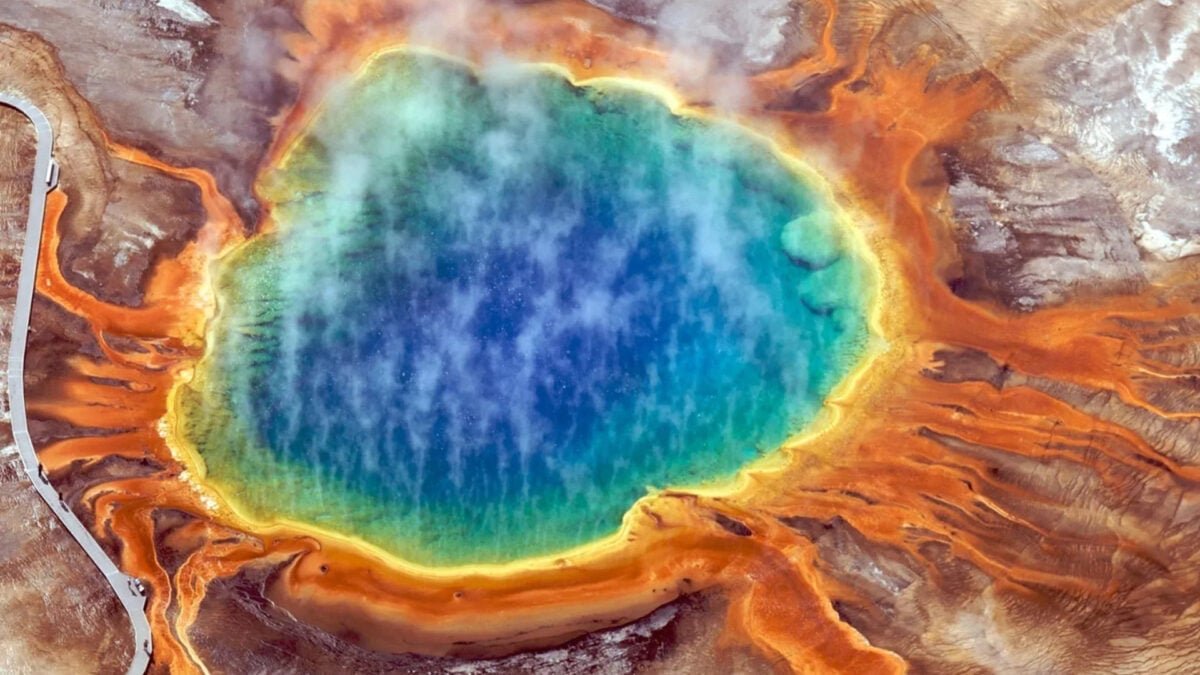

In a study published yesterday in the journal PNAS Nexus, a team studied how small earthquakes in 2021 affected microbes in rock and water systems beneath the Yellowstone Plateau volcanic field. These life forms obtain energy not from photosynthesis but from chemical reactions related to the movement of water through broken rock. The paper’s results may explain how life can exist in unexpected places and have implications for the search for extraterrestrial life.
change in chemical menu
“Seismic energy, such as that released by an earthquake, can fracture rock and thereby alter subsurface fluid flow paths, freeing the substrate from inclusions and exposing fresh mineral surfaces capable of reacting with water,” the team wrote in the study. As noted in the PNAS Nexus statement, all of these events can trigger “refreshing” chemical reactions, which modify the type of energy accessible to microbes. “However, it is unclear how such seismic-induced changes affect microbial communities.”
To address this gap, researchers collected water samples from a borehole (a man-made hole used for analysis) on the western shore of Yellowstone Lake five different times in 2021. This approach revealed significant increases in hydrogen, sulphide and dissolved organic carbon after the earthquake – important sources of energy for many organisms living below ground. They also noted increased levels of planktonic cells. This suggests that more microorganisms were present in the water column than were observed before the earthquake.
These chemical and biological changes suggest that the earthquake swarm temporarily increased the resources available to microbial life. Furthermore, they documented changes in the types of molecules over time. This is particularly notable, given that researchers generally consider underground microbial communities in continental bedrock aquifers to be fairly stable. However, the subsurface system in question seemed to change rapidly and markedly in response to seismic energy.
Can this happen on Mars?
The team concluded that the kinetic energy (energy related to motion) of earthquakes can affect the chemistry and biology of fluids in aquifers – underground areas of water-saturated rock that can cause water to flow into wells and springs. Their results show that even small seismic events can cause significant changes in underground ecosystems.
Yellowstone is not the only area with regular seismic activity, so similar earthquakes elsewhere could cause comparable changes in underground energy resources. If this process is widespread, it could help explain how microbes survive in deep, isolated environments.
Furthermore, it also has implications for life beyond Earth. If a similar mechanism occurs on other rocky planets with water, it could broaden our understanding of possible habitats for small extraterrestrials in places like Mars.
<a href