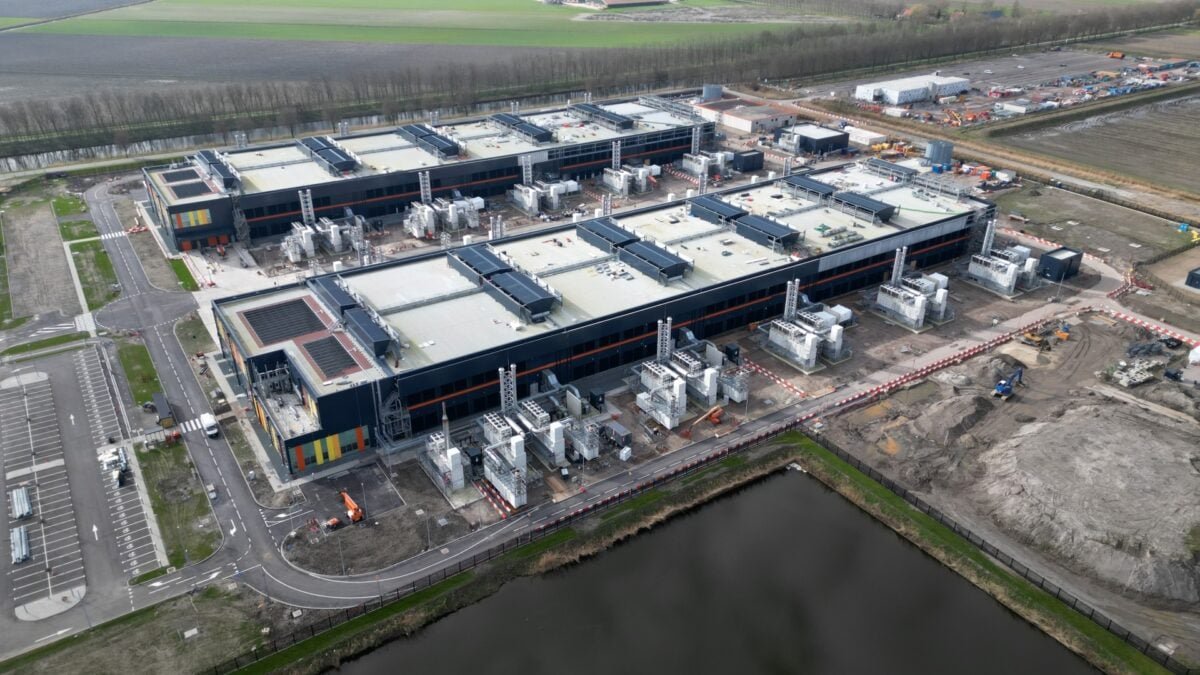

If the canceled projects had come online, there would have been demand for at least 4.7 gigawatts of power. For comparison, BloombergNEF analysts estimate that, under current plans and the course of expansion, data center power demand in the US will reach 106 gigawatts by 2035.
This number may seem small, but it reflects a sharp increase in recent years: only six projects were canceled in 2024 and two in 2023. Of the 25 data center projects canceled in 2025, 21 cancellations were in the second half of the year.
Part of this can be explained by the fact that there are more data center projects being proposed now. Investment in data centers is so large that it alone drove GDP growth in the first half of 2025.
But the researchers’ claim that the increase in cancellations reflects soured sentiment and a growing local backlash against the data center gold rush is based on a broader national survey.
Researchers also say that the number of cancellations has outpaced other measures of data center growth. For example, the amount of electricity used by data centers nationwide has increased by approximately 22% and is projected to double or triple over the next 10 years. Meanwhile, local protests have led to a fourfold increase in cancellations in the past year, researchers say.
According to Data Center Map, one of the oldest and most comprehensive databases of industry data, there are currently 3,779 data centers in the United States, including a number that are planned, under development, or currently operational. According to Heatmap, 770 of those projects are planned, and at least 99 are being opposed by local activists or residents.
As AI mania reached its all-time high this year, tech companies and the US government have devoted trillions of dollars to building an unprecedented data center infrastructure. But as more data centers came online, more communities across the country began to feel the impact.
Data centers run on huge energy demands which have an impact on local power grids and resources. People living near data centers have reported water shortages and rising electricity prices. According to a Bloomberg report in September, electricity bills for people living in areas near data centers increased 267% compared to five years ago.
Data centers can also have adverse effects on the health of the local community. A recent study by the Environmental Data and Governance Initiative found that people living within 1 mile of an EPA-regulated data center were breathing air pollution at levels above the national average.
Increasingly negative news about such projects helped make Americans more aware of what happens when a data center comes to a city, and may have helped fuel an increase in local opposition. This pro-data center buildout is also not helping matters, leading to a cost of living crisis in the country, and the average citizen is becoming more concerned about rising electricity bills.
The report found that water use was the biggest cause of local opposition and was mentioned in over 40% of the disputed projects, followed by energy consumption and high electricity prices.
Some experts say the pressure placed on the local grid by data centers may exceed its load capacity, increasing the risk of winter blackouts in locations with high concentrations of data centers. The consequences could be deadly, like in Texas’ data center proposal hotspot, where the 2021 winter power outages led to the deaths of an estimated 246 people. Unlike other counties facing data center-heavy futures, Texas has not had any projects canceled due to local opposition this year.
A review of the heatmap shows that approximately 40% of data centers that face persistent local opposition are ultimately canceled. Peter Freed, Meta’s former director of energy strategy, who spoke to Heatmap, expects only 10% of the projects currently underway will be completed.
The opposition is also taking some policy action.
Minnesota passed state law to limit the energy and water consumption of data centers. New York Gov. Kathy Hochul is expected to propose an “Energy NY Growth” program in her State of the State address Tuesday night, which would require data center companies to pay more for electricity. And in December, a group of more than 250 environmental organizations asked Congress to impose a moratorium on new data centers.
However, surprisingly, the report found that most of the project cancellations were in red states like Kentucky and Indiana, especially in red counties that voted for AI-and-data-center-loving President Trump in the 2024 presidential election.
But slowly growing bitterness over the data center buildout could lead to a political upheaval. In the November 2025 elections, a Democrat overturned a reliably Republican seat in the Virginia legislature by running a campaign focusing on the burden of data centers.
Maybe Trump is starting to feel that pressure.
“I never want Americans to have to pay higher electric bills because of data centers,” Trump said in a Truth Social post on Monday. He said his team is working with tech companies like Microsoft to make “big changes starting this week to ensure Americans don’t pay higher utility bills for their electricity consumption.”
A few hours later on Tuesday, Microsoft announced a five-point plan called “Community-First AI Infrastructure” to reduce the local impact of its data centers.
<a href