
The Bureau of Labor Statistics reported Friday that the consumer price index for January rose 2.4% compared with the same period a year earlier, down 0.3 percentage points from the previous month. The inflation rate bottomed out in April 2025, a month after President Donald Trump announced aggressive tariffs on US imports.
Excluding food and energy, the core CPI was up 2.5%, the lowest level since April 2021. Economists surveyed by Dow Jones were looking for an annual rate of 2.5% for both readings.
Although the category accounted for the majority of the CPI gain, shelter costs rose only 0.2% for the month, reducing the annual increase to 3%. Shelter makes up more than a third of the CPI.
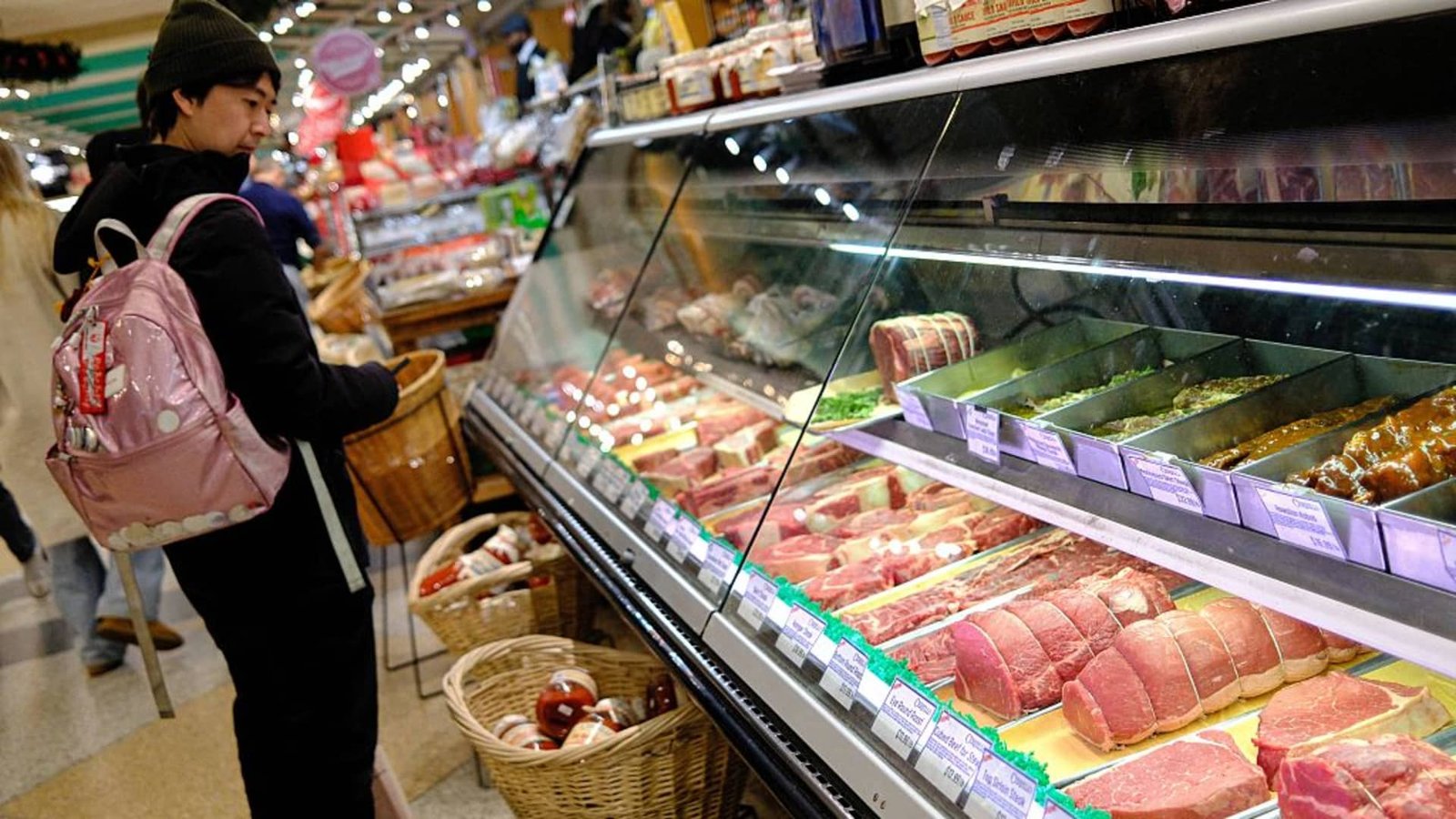
Elsewhere, food prices rose 0.2% as five of the six major grocery group categories recorded gains. Energy declined 1.5% while vehicle prices also remained low, with new vehicles up only 0.1% and used cars and trucks down 1.8%. Airline fares rose 6.5% while egg prices fell 7% and are now down 34% after a huge surge over the past year.
Stock market futures were little changed following the report, while Treasury yields edged lower.
“This is very good news on inflation,” said Heather Long, chief economist at Navy Federal Credit Union. “Inflation has fallen to its lowest level since May and key commodities like food, gas and rent are declining. This will provide much-needed relief to the middle class and middle-income families.”
The lower-than-expected reading helped boost the Federal Reserve’s interest rate cut outlook in the futures market. Traders raised the likelihood of a rate cut in June to nearly 83%, according to CME Group’s FedWatch tool.
The report presents a mixed economic picture.
At the macro level, the U.S. got off to a slow start in 2025 and has accelerated since then, with growth pegged at 3.7% in the fourth quarter, according to the latest update from the Atlanta Fed’s GDPNow, which tracks incoming data.
But despite generally tight control of energy prices, inflation remains above the Fed’s 2% annual target. Additionally, Fed officials continue to express concerns about the labor market, which added only 15,000 jobs per month last year. Consumer spending remained strong last year, although it was unexpectedly flat during the holiday season.
Economists expected Trump’s tariffs to increase inflation, but the impact has been skewed toward select items rather than a broader impact.
“The tariffs have had a clear impact on products like furniture and appliances, but key items in many families’ budgets are shrinking,” Long said.
With conflicting economic signals, the Fed is widely expected to remain on hold until June following a rate-cutting cycle that saw three cuts in the latter part of 2025. The central bank faces changing dynamics this year, with a rotating role of regional presidents who are moving toward a more aggressive stance to fight inflation and a president-designate, Kevin Warsh, who is likely to push for lower rates.
Treasury Secretary Scott Besant told CNBC on Friday that he sees the “investment surge” acting as a tailwind while inflation returns to the Fed’s target “in the middle of this year.”
“We have to move away from the idea that growth automatically has to be reduced, because growth is not, in fact, inflationary.” Besant added. “This is growth that is leaking into areas where there is not enough supply, and all this administration is doing is creating more supply.”
The January inflation report was delayed by a few days due to the partial government shutdown.
The Fed does not use CPI as its primary inflation measure. Instead, it looks more closely at the Commerce Department’s personal consumption expenditures price index, the December reading of which will be released on Feb. 20.
<a href=