However, the remaining question was where all this methane was coming from in the first place. During the pandemic, there was speculation that the surge could be caused by super-emitter incidents in the oil and gas sector, or perhaps a lack of maintenance on leaky infrastructure during lockdowns.
But new research shows that the source of these emissions was not what many expected.
microbial surge
Although weak atmospheric degradation largely explained the surge in 2020, it was not the only factor. The remaining 20 percent increase, and a large portion of the increase in 2021 and 2022, comes from increasing real emissions from the ground. To track down the source of these emissions, Peng’s team studied reams of data from satellites and various ground monitoring stations.
Methane comes in various isotopic signatures. Methane released from natural gas leaks or fossil fuels such as coal mines is heavy, containing a high content of the stable isotope carbon-13. In contrast, methane produced by microbes found in the stomachs of animals, in landfills and especially in wetlands is lighter, being rich in carbon-12.
When researchers analyzed data from the National Oceanic and Atmospheric Administration’s Global Flask Network, a worldwide monitoring system that tracks the chemical composition of Earth’s atmosphere, they found that atmospheric methane was becoming significantly lighter during the mysterious surge. This was a smoking gun for biogenic sources. The surge was not coming from pipes or power plants; It was coming from germs.
la niña came to play
The timing of the epidemic coincides with a relatively rare meteorological phenomenon. La Niña, the cold phase of the El Niño–Southern Oscillation that typically leads to increased precipitation in the tropics, lasted for three consecutive Northern Hemisphere winters (from 2020 to 2023). This made for an exceptionally wet start to 2020.
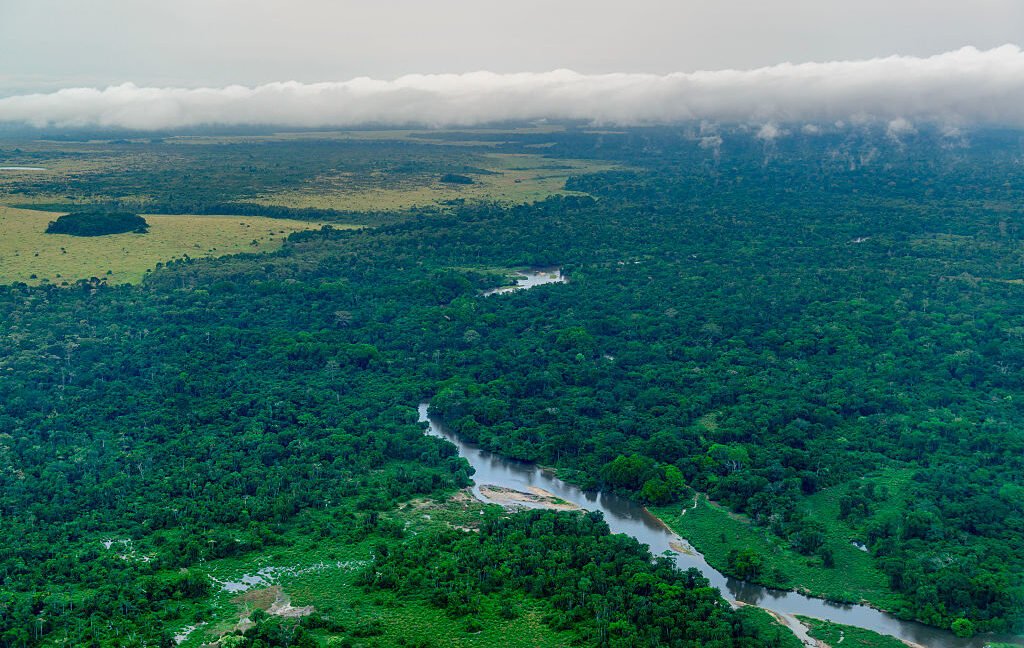
The researchers used satellite data from satellites observing greenhouse gases and sophisticated atmospheric models to trace the source of light methane over vast wetland areas in tropical Africa and Southeast Asia. In areas such as South Sudan’s Sud and the Congo Basin, record-breaking rainfall left large swathes of land inundated. In these waterlogged, oxygen-depleted environments, microbial methanogens flourished, releasing methane at a rapid rate.
<a href