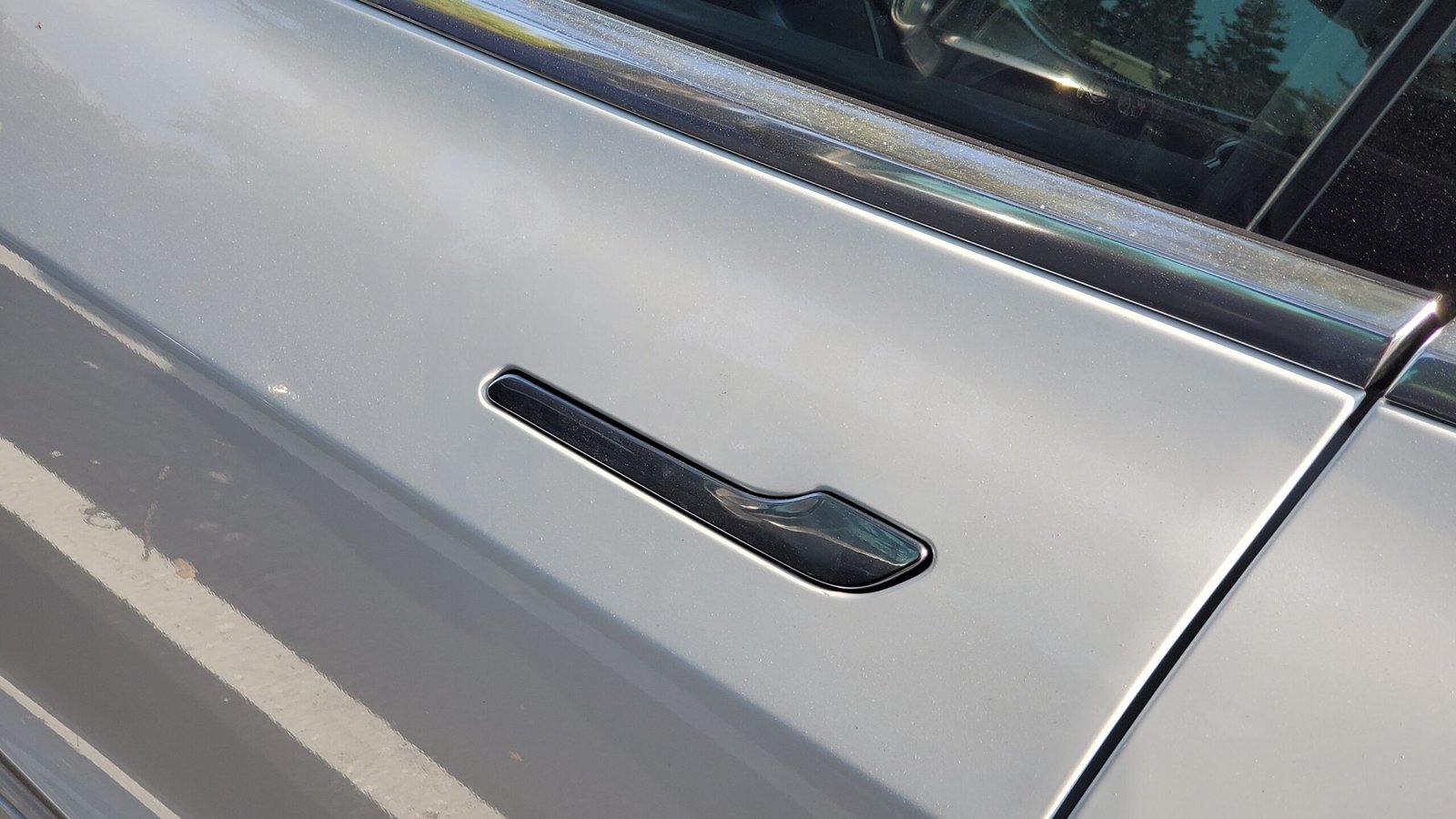
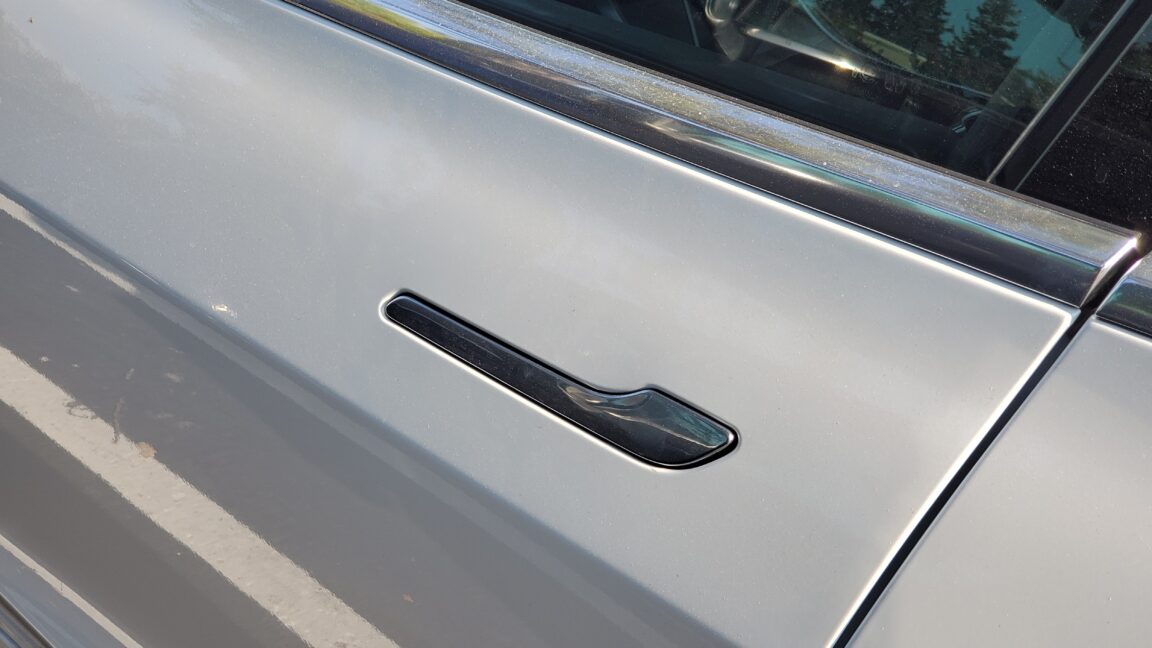
The locking mechanism must be so designed that, in a crash resulting in airbag deployment or battery fire, the non-impact side doors can be opened without tools. Chinese regulators are simply concerned that occupants of a vehicle should not be confused about how to open a door from the inside in an emergency. Therefore each door should have mechanical releases where the occupant would expect to find them.
Again, Tesla is probably the worst offender – its front doors have always had mechanical handles, but from some model years on, the rear doors cannot be opened without tools.
For cars already approved by the Chinese government (which includes everything currently on sale), there is a grace period. For existing designs, automakers have until Jan. 1, 2029, to redesign their doors, and because of the specificity of the rules, that group of automakers is much larger than Tesla. Xiaomi, which appears to be China’s hottest EV brand, will need to redesign some models, but so will BMW, not least the nice iX3 that will go on sale there soon. The same applies to cars from Nio, Li Auto and Xpeng.
And unless there are discounts for low volumes, I think most supercars from OEMs like Ferrari and McLaren will need new doors for the all-important Chinese market. Indeed, given China’s importance to the car industry, we should expect the impact of this ban to be widely felt on any model sold globally. The benefits should be obvious: fewer car riders dying trapped in their cars.
<a href