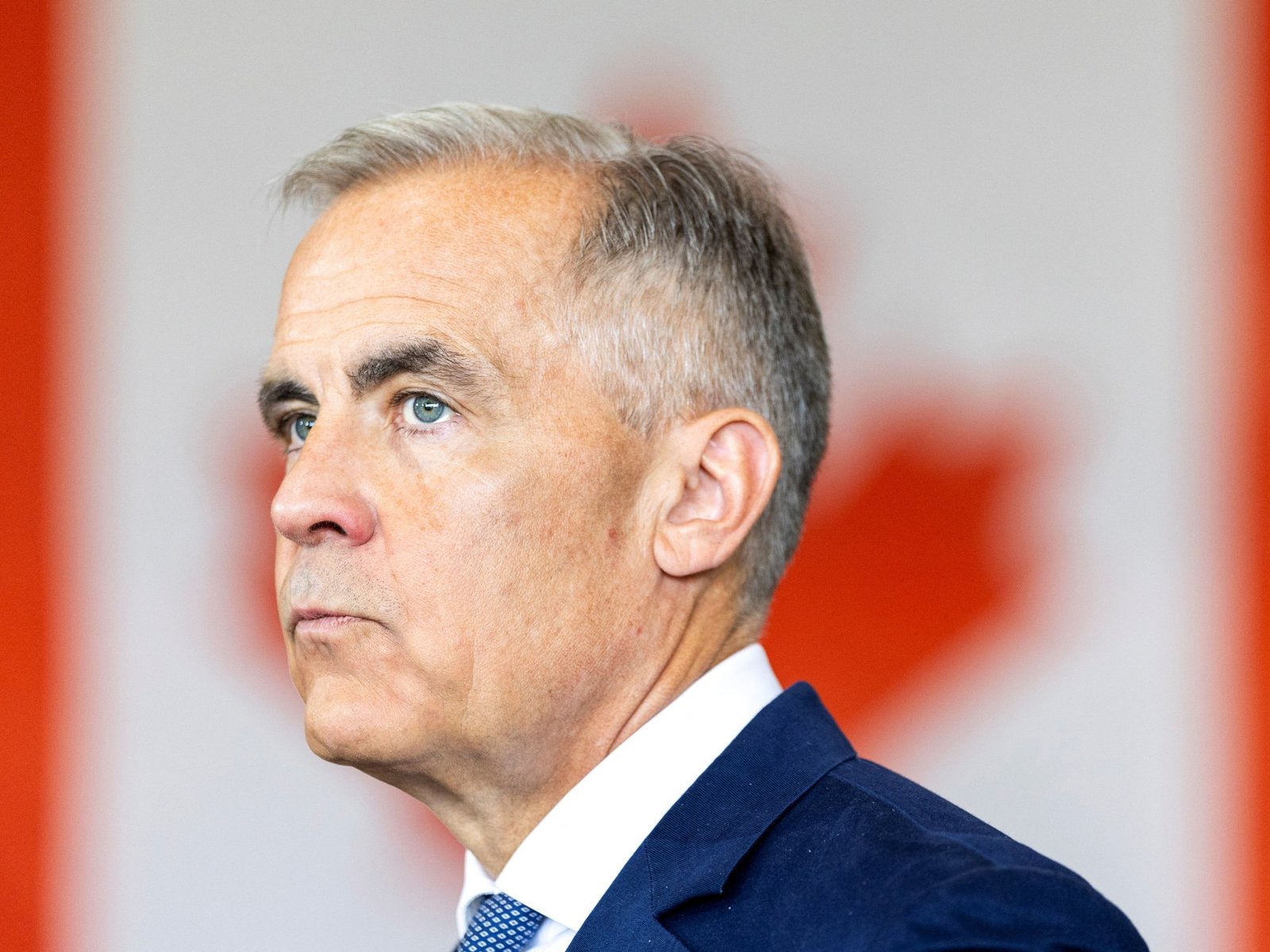
In its agreement with Alberta, Canada will eliminate emissions limits on the oil and gas sector, among other steps.
Canadian Prime Minister Mark Carney has signed a deal with the Premier of Alberta that will roll back some climate rules to boost investment in energy production, while encouraging the construction of a new oil pipeline on the west coast.
Under the agreement, which was signed Thursday, the federal government will scrap planned emissions limits on the oil and gas sector and lift rules on clean electricity in exchange for a commitment from Canada’s top oil-producing province to strengthen industrial carbon pricing and support a carbon capture-and-storage project.
Recommended Stories
list of 3 itemsend of list
Carney is counting on the energy sector to help the Canadian economy deal with uncertainty from United States President Donald Trump’s tariffs, and is trying to diversify away from the U.S. market, which currently accounts for 90 percent of Canada’s oil exports.
He has eased some of the environmental restrictions imposed by his predecessor Justin Trudeau, reaffirming his commitment to net-zero carbon emissions by 2050.
Alberta is also exploring the feasibility of a new crude oil pipeline to the northwest coast of British Columbia to increase exports to Asia, but no private sector company has committed to building a new pipeline.
Pipeline companies and the Alberta government have repeatedly said that significant federal legislative changes – including removing federal limits on oil and gas field emissions and ending a ban on oil tankers off the northern coast of British Columbia – would be required before a proposal for a new pipeline by a private entity could be considered.
Thursday’s agreement includes the federal government’s commitment to adjust the Oil Tanker Moratorium Act to facilitate oil exports to Asia.
British Columbia Premier David Eby, who opposes a new pipeline through his province, said Wednesday the law should remain in place.
Other pipeline opponents are also speaking out. A coalition of indigenous groups in British Columbia said this week it will not allow oil tankers on the northwest coast and that the pipeline project will “never happen.”
The Trans Mountain Pipeline from Alberta to the British Columbia coast, which is owned by the Canadian government and is currently the only option for sending Canadian oil directly to Asian markets, tripled its capacity last year with a 34 billion Canadian dollar ($24.2 billion) expansion.
The federal government and Alberta also said they would reach an agreement on industrial carbon pricing by April 1 next year.
Additionally, the two agreed to collaborate on the construction of the Pathways Plus project, which is expected to be the world’s largest carbon capture project and is designed to capture emissions from Canada’s oil sands.
The federal government will also assist Alberta with building and operating nuclear power plants, strengthening its electricity grid to power AI data centres, and building transmission lines to neighboring provinces.
<a href