Moore was captain when West Ham won the FA Cup in 1964 and the European Cup Winners’ Cup a year later. Bonds almost emulated that feat when he was captain when West Ham reached the European Cup Winners’ Cup final in 1976, losing 4–2 to Anderlecht.
As well as those FA Cup wins, he led West Ham back to the former First Division at the end of the 1980/81 season, a campaign during which they also lost to Liverpool after a replay in the League Cup final.
The team honors he garnered during that time were not just that. Bonds, who won the prestigious “Hammer of the Year” four times, was given the Professional Footballers’ Association Merit Award in 1988, and also received an MBE for services to football in the same year.
Bonds was named the club’s greatest ever player by West Ham fans in 2018.
The fact that Bonds never won a full England cap has been a source of controversy for decades, particularly among West Ham supporters, with him also being named alongside Manchester United’s Steve Bruce and Everton midfield man Howard Kendall among those who never achieved the accolade.
Bonds was an unused substitute when England, under former West Ham manager Ron Greenwood, beat Italy 2–0 in a World Cup qualifier at Wembley in November 1977.
He once again missed out by a narrow margin in May 1981, when he was in line for selection for England’s friendly match against Brazil at Wembley, but at the end of the season he broke ribs in a clash with his own goalkeeper Phil Parkes, ruling him out.
The chance never came again.
In February 1990 he was appointed West Ham manager, replacing Lou Macari, leading the club back to the top flight.
Bonds was also in charge when West Ham reached the FA Cup semi-finals in 1991, but West Ham never recovered from Tony Gayle’s controversial first half, losing 4–0 to Nottingham Forest.
West Ham were relegated in 1992, but the club kept faith in Bonds and he led them back to the new Premier League a year later.
Bonds’ 27-year career at West Ham ended in 1994, when Harry Redknapp replaced him at West Ham.
He returned to management with West Ham’s arch-rivals Millwall in May 1997, but it was a short-lived, unsuccessful stint and he left the following year.
It will always be the West Ham name that is inextricably linked with Bonds. He was first presented with the club’s Lifetime Achievement Award in 2013 and was emotional when the club re-named the East Stand at the London Stadium in his honor in February 2019.
Unlike the combative captain on the field, Bonds was a private family man off the field. He was joined by several former colleagues in tears as he addressed the West Ham fans after the stand was renamed.
Bonds was an all-action, versatile player who combined remarkable fitness, an extremely competitive nature and skill into a powerful combination that was central to everything he and West Ham did.
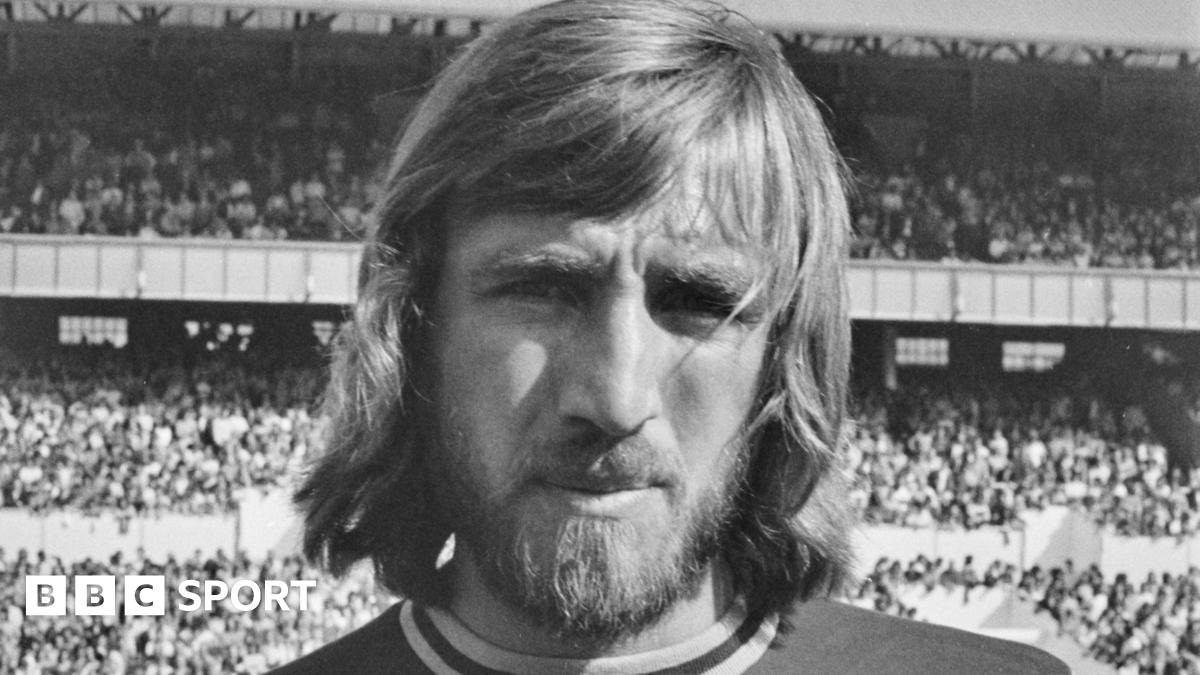
Football fans of a certain age, particularly at West Ham, immediately come to mind images of a bearded Bonds, caked in mud on the pitches of the 70s and 80s, with socks rolled down and sometimes a bandage over his head – but always ready to go into battle against the opposition.
Billy Bonds was a captain, player and manager who will always be remembered when the history of West Ham is written.
<a href