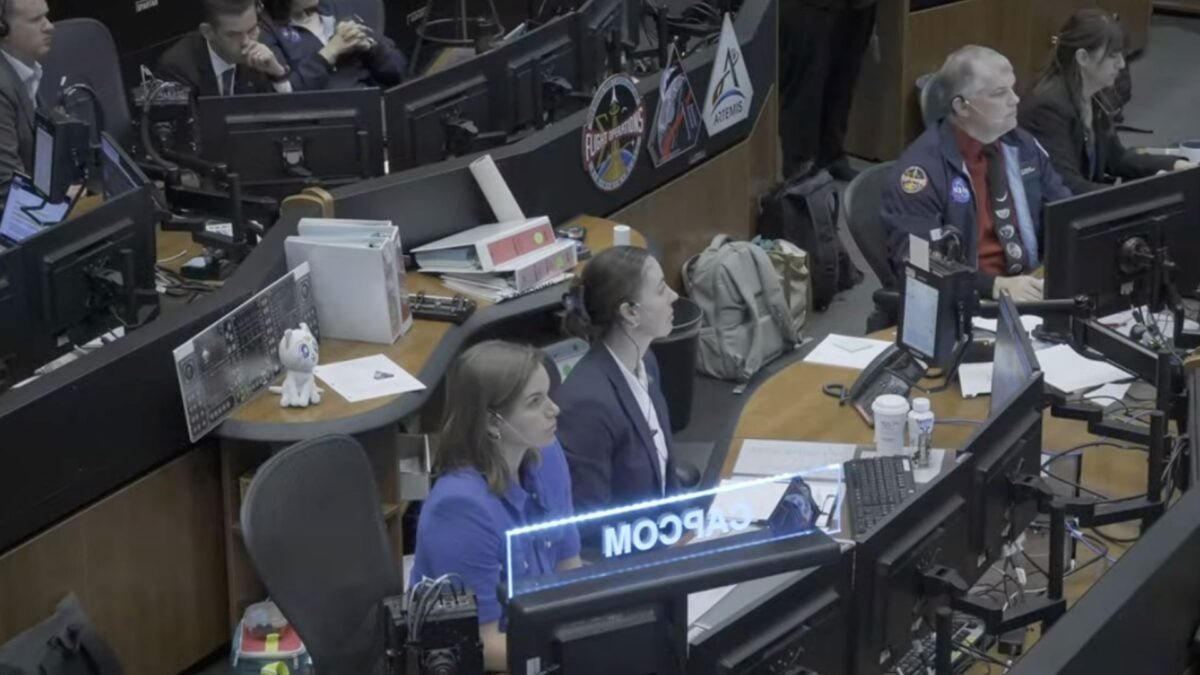
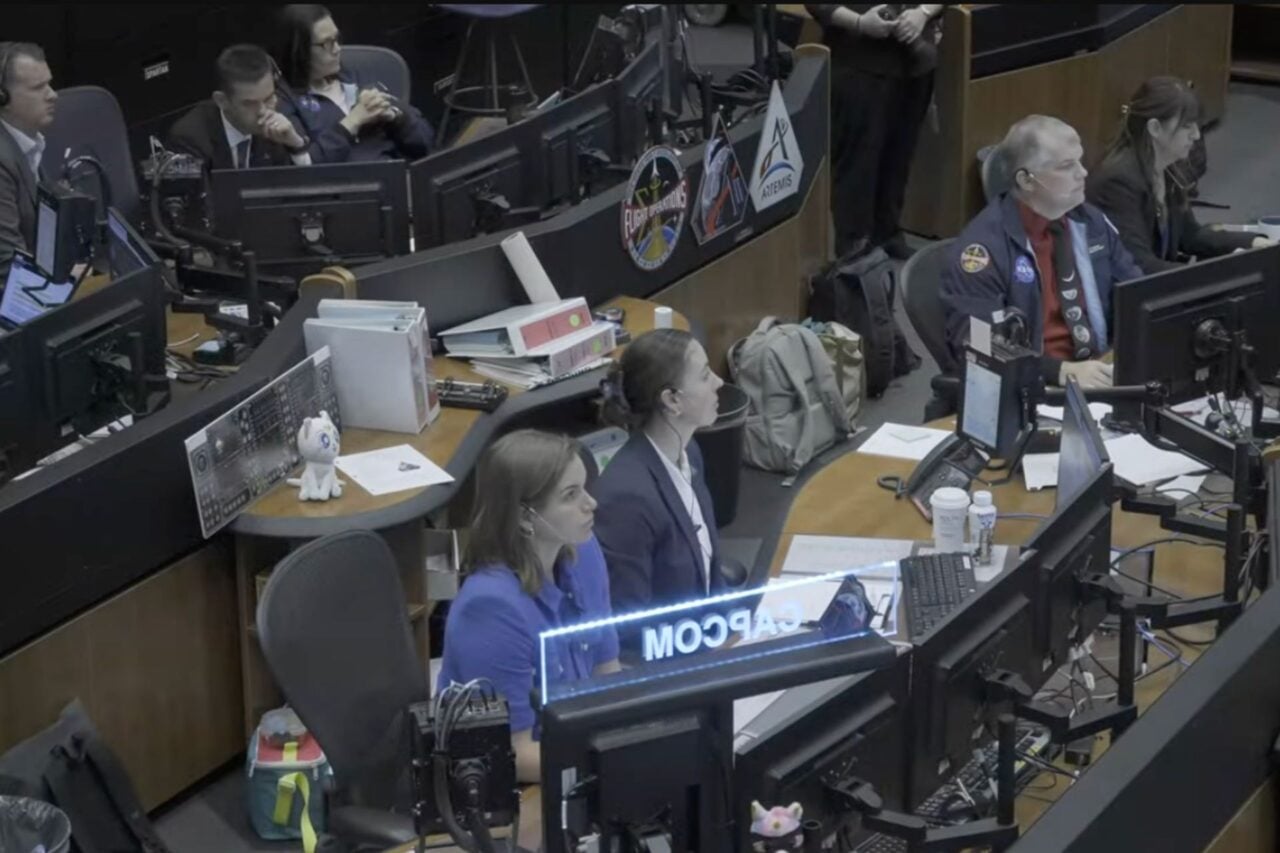
Orion autonomously fired its main engine for just under six minutes, generating a velocity change of approximately 1,300 feet per second, and established itself on a lunar trajectory. Flight controllers and NASA Administrator Jared Isaacman monitored engine performance, guidance and navigation data during the burn to ensure it ran smoothly, and it absolutely did. No major problems occurred during the burning.
This is the first time that Orion has performed its own TLI burn. During Artemis 1, the Space Launch System (SLS) rocket upper stage, also known as the interim cryogenic propulsion stage, remained attached to the spacecraft and boosted it onto a lunar trajectory. Demonstrating that Orion can do this on its own is an important milestone that will help pave the way for future lunar landings.
With this critical maneuver completed, Orion will perform a short burn to correct its trajectory and is now headed toward the expected rendezvous with the moon, which will take place on Monday.
“With that successful TLI, the crew is feeling great here on the way to the Moon,” Jeremy Hansen said over the comms system. “We just wanted to communicate to all the people across the planet who worked to make Artemis possible that we strongly felt the power of your perseverance during every second of that burn.”
Hansen said, “Humanity has once again shown what we are capable of, and it is your hopes for the future that drive us on this journey around the Moon.”
around the moon and back again
The SLS rocket and Orion launched at 6:35 p.m. ET Wednesday from Kennedy Space Center in Cape Canaveral, Florida, carrying NASA’s Reed Wiseman, Victor Glover, Christina Koch and the Canadian Space Agency’s Jeremy Hansen into low-Earth orbit.
The past day was extraordinary. Apart from a few minor technical issues before launch, including a brief, partial loss of contact between ground control and Orion, and a problem in the spacecraft’s toilet, everything went according to plan. NASA rapidly resolved each of those discrepancies.
Now that Orion is headed toward the moon, the spacecraft should enter the moon’s sphere of influence on the fifth day of the flight, which will be Sunday. At that time, the Moon’s gravitational force will become stronger than Earth’s, moving the spacecraft in the far direction. During this gravity-assisted flyby, the Artemis 2 astronauts will have a full day (Monday) to observe the lunar surface.
The beauty of translunar injection is that when Orion passes behind the moon on Tuesday, it will already be on a free-return trajectory that will bring it back to Earth. Apart from three short correction burns spread between Tuesday and Friday, our planet’s gravity will naturally pull Orion home. But to be clear, the dates of these events assume that the mission will proceed as planned.
Gizmodo will be tracking the entire flight until splashdown, and you can follow along via our live blog. Now that humanity is officially heading back to the Moon, you’ll experience history in the making.
<a href