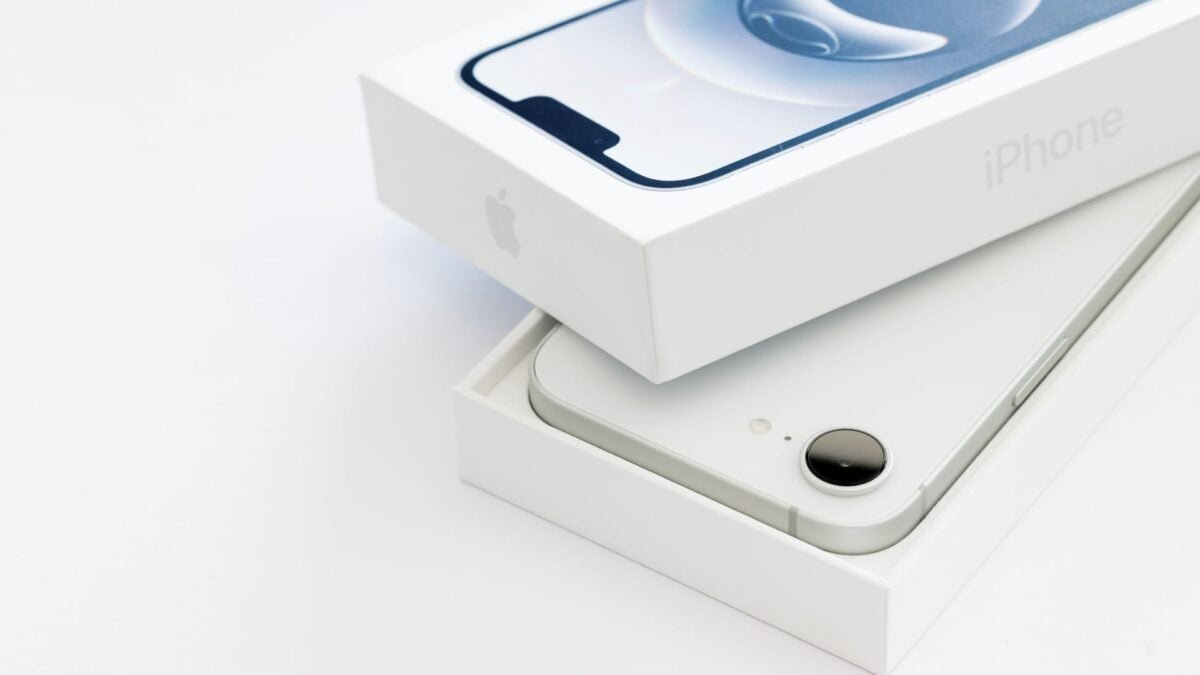
The iPhone 17e price starts at $600, the same as last year’s iPhone 16e. This time, it comes with more base storage – 256GB instead of 128GB. It also comes with some additional upgrades, including MagSafe charging and better wireless and cellular connectivity. The M4 iPad Air has an upgraded chipset and better connectivity chips, with the same starting price as the 11-inch M3 version at $600 (it’s $800 for the 13-inch iPad Air). It has an initial storage of 128GB and 12GB of unified memory.

In any other year, these relatively minor renovations would feel more bland. The iPhone 17e still has relatively large screen bezels, a 60Hz refresh rate screen, and a camera notch instead of the new Dynamic Island. However, with the cost of memory and flash storage rising, tech companies have massively increased the prices of their gear. Especially the laptop suffered the most damage. I’ve seen devices from Dell, MSI, and other companies also increase in price compared to previous years’ laptop models. Apple is making it clear that it is not changing its pricing structure yet, despite the rising costs of DRAM (Dynamic Random Access Memory) and SSDs (Solid State Drives).
When you compare the iPhone 17e to Google’s latest midrange phone, the difference is even more stark. Gizmodo went hands-on with Google’s Pixel 10a last month and found that the only real difference compared to the Pixel 9a was a smaller camera bump. The Pixel 10a uses the same Tensor G4 chip and has some small software features that were first introduced in the Pixel 10. The new phone costs $500, the same as last year’s model. You can get the Pixel 9a for cheaper in 2026.
Samsung’s Galaxy S26 and S26+ feature new Qualcomm Snapdragon 8 Elite Gen 5 chips, but they each cost $100 more than the S25 series. Although the new phones are packed with more AI software features, they don’t seem like the kind of big upgrades that demand a markup. Google and Samsung have made their respective choices. Either they raise the prices, or they keep the hardware almost the same.
Gadgets are not getting cheap

Apple is giving a statement. Despite the disruption in global RAM costs, it is announcing its intention to keep prices the same as before the start of 2026. Major memory makers Samsung, Micron and SK Hynix have dedicated almost all of their semiconductor manufacturing to piecing together the high-end memory needed for AI data centers. Just half a year ago, RAM was one of the cheapest components used in any computing device, be it a phone or a PC. Now, major tech companies are practically begging the top three memory manufacturers for any and all RAM allocations. Based on Samsung’s latest phone price hikes it’s clear that its mobile division can’t secure any better deals, despite living under the same proverbial roof as its semiconductor arm.
Last week, Korean business news outlet DealSight reported that Apple agreed to a 100% increase in RAM prices from Samsung for its iPhone 17 series. However, Samsung later denied those claims and told multiple outlets that the reports were “baseless and not true.” DealSight later amended its story to remove any mention of Apple. Either Apple has managed to ease the RAM shortage it faced earlier this year, or it’s paying the price for it. Apple generally relies on its higher-end devices to make up for losses from its more affordable offerings. The timing may change later in the year when Apple finally unveils details of its expected iPhone 18 series.
It feels like we are in upside down land. It’s not like Apple is making things affordable. The company’s equipment has never been cheap. Now, suddenly, PCs, phones and laptops are approaching Apple’s baseline cost, while the Tim Cook-led company is keeping prices stable. Apple usually makes customers pay heavily for RAM upgrades for its devices. Now, practically every other tech company is forced to do the same. It seems that the word “value” no longer means not raising prices excessively.
<a href