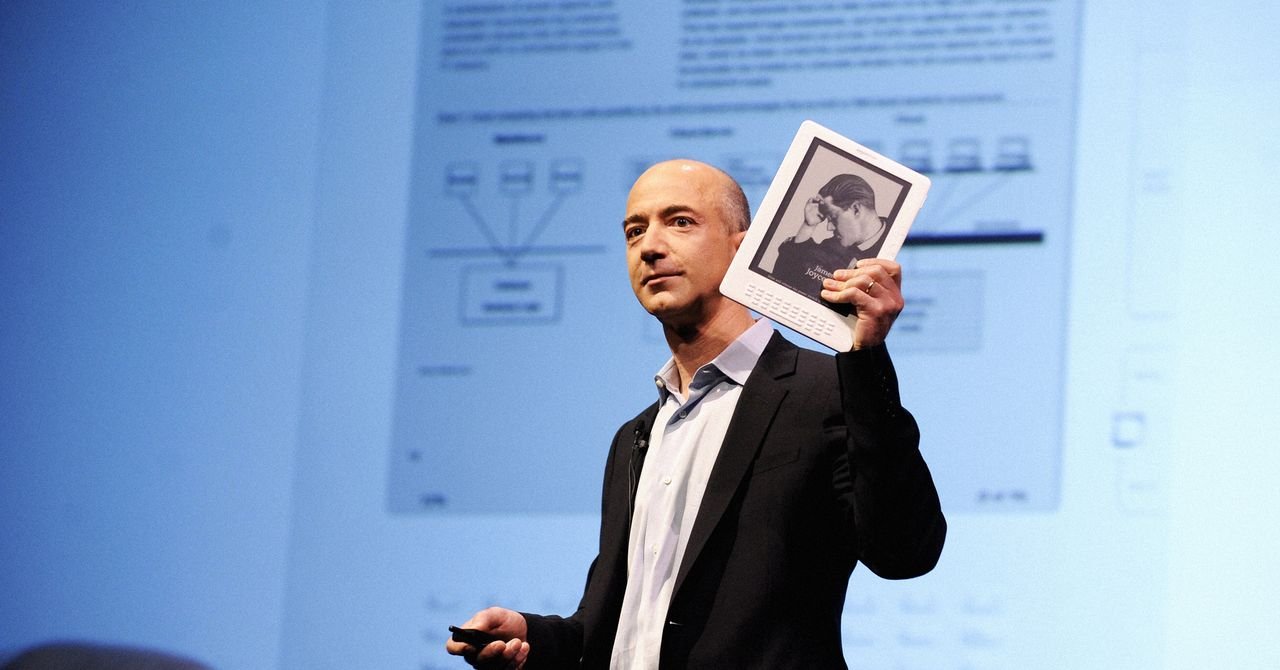
On May 20, Amazon will stop supporting any of its Kindle devices released in 2012 or earlier. This means that these devices—even if they are fully functional—will not be able to connect to the Kindle Store to download new e-books. Amazon says the affected devices include the first and second generation Kindle, Kindle DX and DX Graphite, Kindle Keyboard, Kindle 4, Kindle Touch, Kindle 5, and the first generation Kindle Paperwhite. According to The Verge, Kindle Fire devices will also be affected on the ebook front, though other apps will still work on the device.
This step doesn’t completely turn your e-book reader into e-waste. On older devices, you can still read downloaded books. You can also download documents manually via USB cable. It’s unclear whether services like Libby, which uses the Kindle Store to distribute downloads, will work. (Amazon did not immediately respond to a request for comment.)
Other recent examples of companies phasing out parts of the software on older devices include Spotify ending support for its Car Thing in 2024 and Google discontinuing its older Nest thermostats in 2025. In February, Netflix ended support for approximately 87 million older devices.
If you want to keep your digital library in Bezos-land, you can access your collection through the Kindle app or on the browser of Amazon’s Kindle Cloud Reader. Or, as Amazon so helpfully points out in the email it sent to customers, you can buy a new Kindle. (The company is offering 20 percent off a new device and a $20 ebook credit if you use the code sent in the email.)
If you’re not interested in remaining part of the Amazon empire, there are other great e-readers out there. You can also find e-books on Bookshop.org, which started selling e-books last year in partnership with local booksellers. A portion of the revenue from buying books there is sent to the brick-and-mortar stores, which is probably good karma for you.
<a href