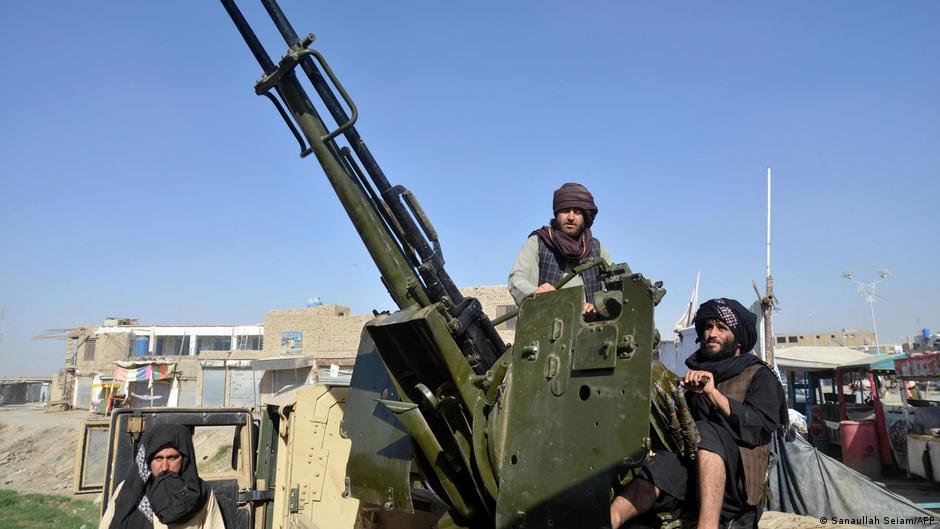
The terrorist group began its attacks along the 2,640-kilometre (1,640 mi) border with Pakistan, known as the Durand Line.
Pakistan’s military described Taliban claims of attacking Afghanistan as “baseless”. During previous bouts of violence, Pakistani officials had insisted they were targeting terrorist groups hiding on Afghan soil.
Nevertheless, the Taliban’s move drew crowds of supporters in Afghan cities such as Khost and Jalalabad, where residents welcomed Taliban fighters with garlands. On social media, videos of Taliban members being welcomed as heroes went viral, portraying the group as protectors of Afghanistan’s territorial integrity.
The images come as the Taliban faces growing criticism from abroad for a number of harsh domestic policies, including blanket bans on women’s education and employment.
Change in perception?
However, these clashes at least appeared to reframe the ongoing domestic debate over the Taliban. Many Afghan social media users praised the group’s strong response to Pakistan, and even some former Afghan security officials – once staunch opponents of the Taliban – expressed sympathy for their former rival.
Former deputy interior minister Khushal Sadat, who fought against the Taliban for years, was one of those voices. He argued that the Taliban reacted far more decisively to Pakistan’s attacks than the former Western-backed government.
He said, “At that time, we thought that the Taliban were (Pakistan’s) puppets; yes, there were one or two people who accepted their orders, but not all of them were like that.”
Such comments would have been unimaginable just a few months ago, especially from a man known for his staunch opposition to the group before the fall of Afghanistan’s US-backed government in 2021.
Taliban launched campaign on social media
Bismillah Taban, a security analyst and former Afghan government official, told DW that Taliban members moved quickly to take advantage of the border clashes.
“Supporters of this group tried to use this situation to whitewash the Taliban,” he said, adding that several Taliban officials aggressively enhanced footage of the celebrations.
Despite the reported wave of public praise, many political experts, including former Afghan government members, argue that the Taliban cannot gain meaningful legitimacy through confrontation with Pakistan.
Mujib Rahman Rahimi, who held senior official positions in Afghanistan before the Taliban takeover, emphasizes that the group’s conflict with Pakistani forces does not involve all of Afghanistan.
“The Taliban’s clash with Pakistan is not a war of the legitimate government of Afghanistan, nor is it a war of the Afghan people with Pakistan,” he told DW.
Former officials see Taliban as ‘puppet and proxy group’ of Pakistan
Rahimi and other former officials argue that Pakistan helped create and support the Taliban, so the current clashes reflect a deterioration in their relations with the group rather than a conflict between the nations.
“This is a puppet and proxy group fight created by Pakistan itself,” he said.
Similarly, former Higher Education Minister Abbas Basir argues that the Taliban’s actions are motivated not by national interest but by the group’s decision to host terrorists who have created instability on both sides of the border.
In particular, the Afghan Taliban is being accused of harboring Tehreek-e-Taliban Pakistan (TTP), a terrorist organization ideologically aligned with the Afghan Taliban focused on fighting the Pakistani state.
Baseer said, “By giving shelter to TTP, Taliban has created conditions for conflict with Pakistan.” He said that ordinary Afghans also oppose the presence of TTP fighters in their country.
According to many analysts, the increase in violence has little hope of sparking political or social change inside Afghanistan.
How did former allies become enemies?
Just a few years ago, relations between the Taliban and Pakistan’s military establishment were not hostile.
In the days following the fall of the Western-backed Afghan government in August 2021, General Faiz Hameed, then head of Pakistani military intelligence, was photographed sipping tea in a Kabul hotel while meeting Taliban leaders. At the time, this image was widely interpreted as evidence of Islamabad’s influence over the group.
Today, Pakistan has accused the Taliban of allowing TTP members to plan and coordinate deadly attacks against Pakistani security forces from inside Afghanistan. The Taliban denied the allegations, saying they do not allow any group to use Afghan territory to threaten another country.
Tensions were at their peak following Pakistani attacks on Kabul in October, with Taliban fighters targeting Pakistani border posts and the Pakistani military responding with mortar fire and drone strikes amid rising casualties. After talks in Doha, the capital of Qatar, both sides agreed to a ceasefire on October 19. However, they have not been able to reach a more permanent solution, as ongoing peace talks have been undermined by repeated outbreaks of violence.
Edited by: Darko Janjevic
<a href