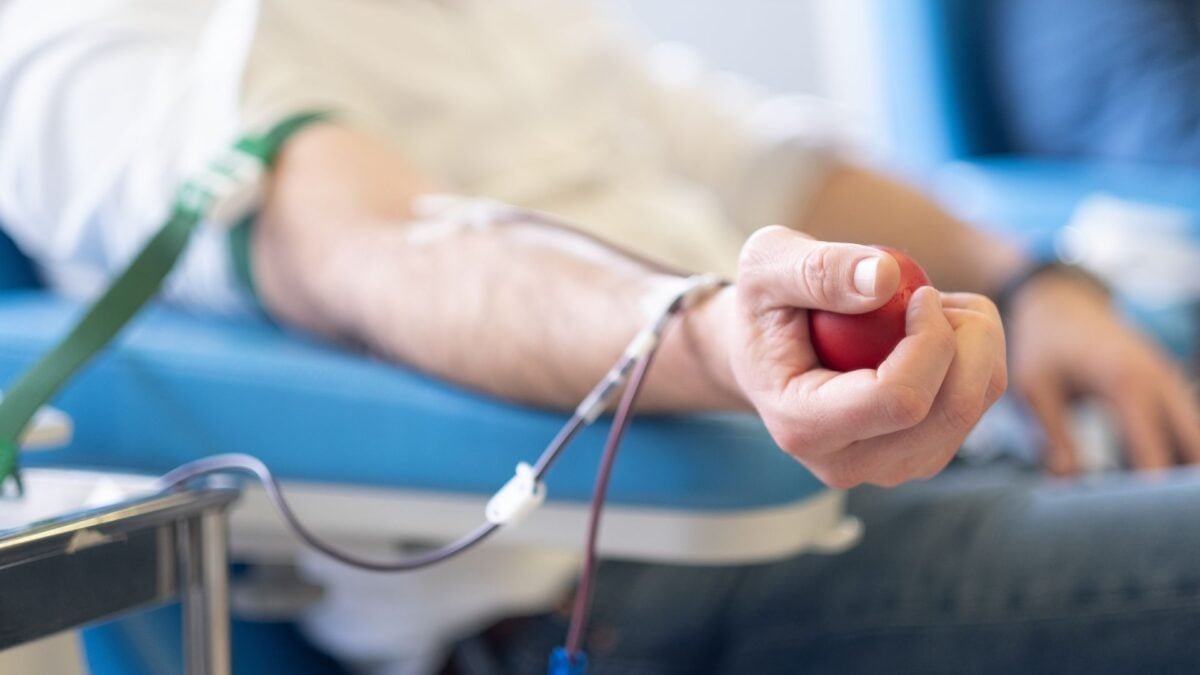

The national blood supply is currently in a critical situation. Last month, the Association for the Advancement of Blood and Biotherapies, Blood Centers of America and the American Red Cross jointly and urgently called for more donors amid the acute shortage, which continues. Simply put, there’s no better time than now to start becoming a regular donor.
Donating blood can seem scary or confusing, especially if you’ve never done it before. So as a long-time veteran, here are some pointers to make your first (hopefully many) donation as easy as possible.
what to know
Just to get this out of the way: donating blood is completely safe. Because new sterile needles are used with each person, there is no risk of bloodborne infection. A study last year also found some evidence that frequent donations may cause helpful genetic changes in red blood cells that may reduce cancer risk (more research would be needed to confirm that finding).
And although there are things that may make you unable to donate, such as a recent tattoo, chances are, you’re in the clear. Roughly two-thirds of Americans meet the criteria to donate, yet only about 3% do so in a given year.
In the lead up to your donation, you should eat iron-rich foods like spinach, chicken and red meat (maintaining adequate iron levels is generally important). The day before your donation, you should get a good night’s sleep. And on the day of donation, you should try to avoid eating high-fat foods and drinking alcohol.
If you are specifically donating platelets, you should avoid using aspirin for at least two days before. And if you are donating plasma, you should eat high-protein foods before and after.
During all of this – and I can’t emphasize this enough – stay well hydrated. The American Red Cross specifically recommends drinking 16 ounces of water (or another non-alcoholic beverage) before donation. Hydration will increase blood volume, which helps speed up donation and makes it easier for the phlebotomist to find your veins. It’s a lesson I’ve had to relearn more than once, and it’s cost me longer sessions than usual.
Experts also recommend that you avoid excessive caffeine consumption on donation day, though this is mostly due to its dehydrating properties. I personally don’t keep track of that, but if you drink a cup of water daily then make sure to keep your water intake high.
Water can also keep your blood pressure from dropping too much, which in turn helps prevent dizziness, lightheadedness, and fainting.
How to stay on your feet during and after donation
Speaking of fainting, this is probably the scariest possible side effect of donating blood. I have more than one friend who tells me frankly, that’s why they don’t donate whenever the topic comes up.
Thankfully, in addition to staying hydrated, there is now actually a very simple and reliable technique to prevent fainting if you are in danger of fainting, known as Applied Muscle Tension (AMT). Several studies have shown that AMT can reduce the chance of dizziness and fainting from blood donation by up to 83%.
The basic principle of AMT is to tense and relax large muscles to maintain healthy blood flow and keep your blood pressure stable. This may include crossing your legs, squeezing your inner thighs or knees together, pointing and turning your feet, or tightening your glutes and quads. You should switch between tension and relaxation every five seconds, repeating this several times. And it’s best to do this right before the needle goes in, if you feel dizzy at any time during donation, before removing the needle, and before standing up; You can also do it later in the day if you feel faint.
why it matters
Truth be told, I started donating in college for the chance to win free Amazon gift cards, and for a while after that, I was pretty lax about keeping regular appointments or blood drive visits. But once I became a health journalist, I remembered how important these charities are in the medical field. According to the Red Cross, every two seconds, someone in the US needs blood or blood components, from patients with cancer or sickle cell disease to victims of a tragic accident.
It’s great to get over the hump and donate blood for the first time. But it is even better to be a repeat donor, as the blood supply needs to be replenished constantly. And one last tip: If you are a frequent donor, you should take iron supplements regularly; Chelated iron in particular is easy on the stomach.
Whether it’s whole blood, platelets, or plasma, there’s always room for one more at your nearest blood center or local drive-thru. In the US, there are also many plasma centers that pay you for each visit, although some experts worry about the ethics of these businesses.
Whatever you do, donating blood is one of the easiest and safest ways you can give back to the world. And free cookies and apple juice are always a nice bonus.
<a href