A study by the Environmental Investigation Agency in 2018 found that only one-third of tropical timber shipments from Peru to China were properly inspected, and of those that were inspected, 70 percent were found to be from illegally deforested land.
Another study published in May found that Chinese imports of products that cause deforestation were linked to the loss of about 4 million hectares of tropical forest between 2013 and 2022, about 70 percent of which was illegally deforested. Greenhouse gas emissions from these imports were roughly equal to Spain’s annual fossil fuel emissions.
“Although China is a global leader in domestic reforestation and renewable energy, this report highlights a significant blind spot of the environmental costs of its imported agricultural and wood commodities,” said Kerstin Canby, a senior director at Forest Trends, in a press statement published with the report.
In an interview, Canby said that China has implemented strong reforestation programs within its own borders, but it has had a direct impact on vulnerable forests elsewhere, including the Amazon.
“China has been a star, but it has a broader impact,” Canby said. “Everyone is trying to protect their own forest, but all this increases is the demand on the countries that have the least governance, which are not protecting their own forest.”
code
From the rooftop studio where Arce paints her beach scenes, she can almost touch the mesh scaffolding built outside the walls of her home to keep construction dust and debris from blowing into the windows. (It happened anyway.)
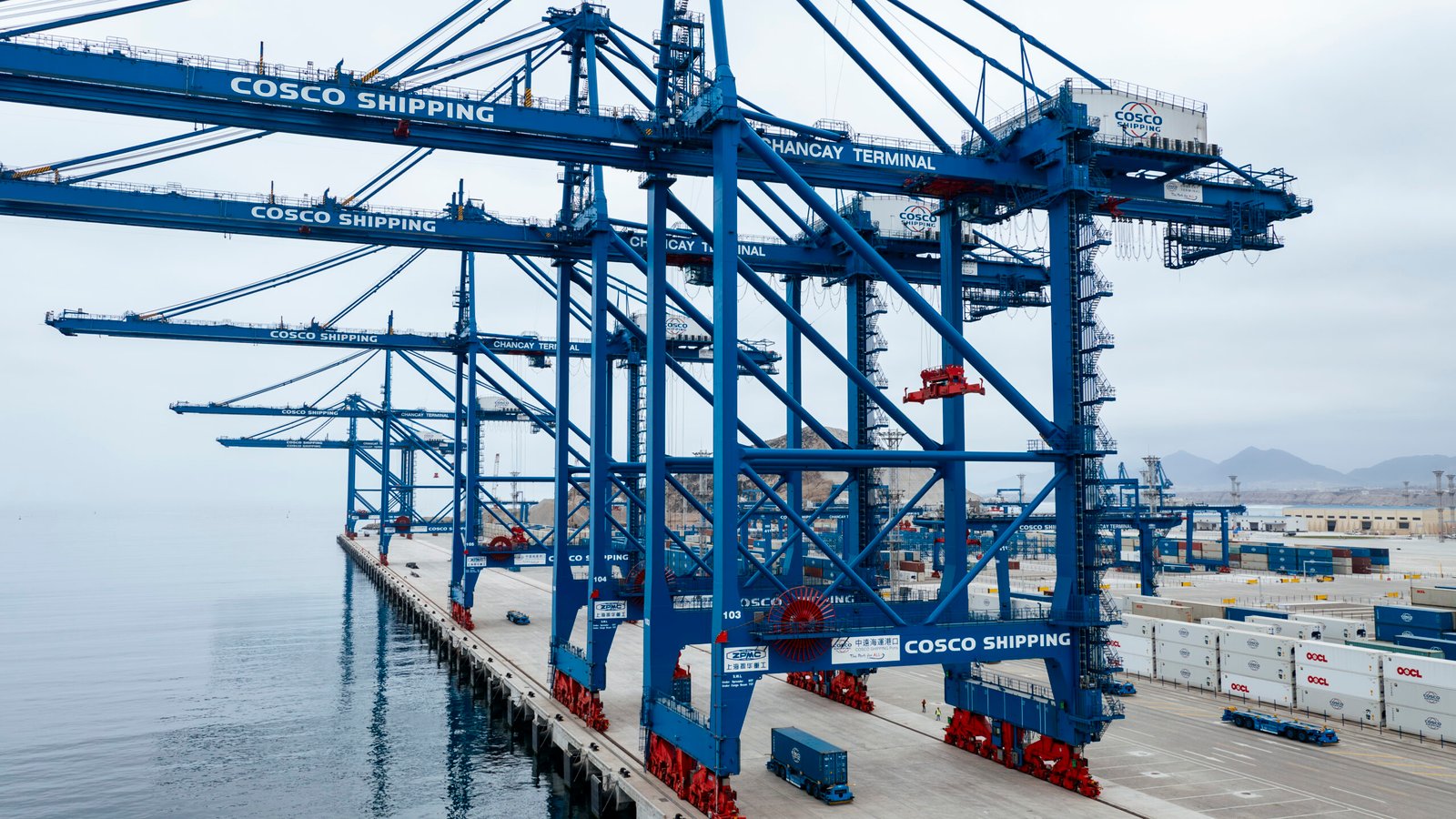
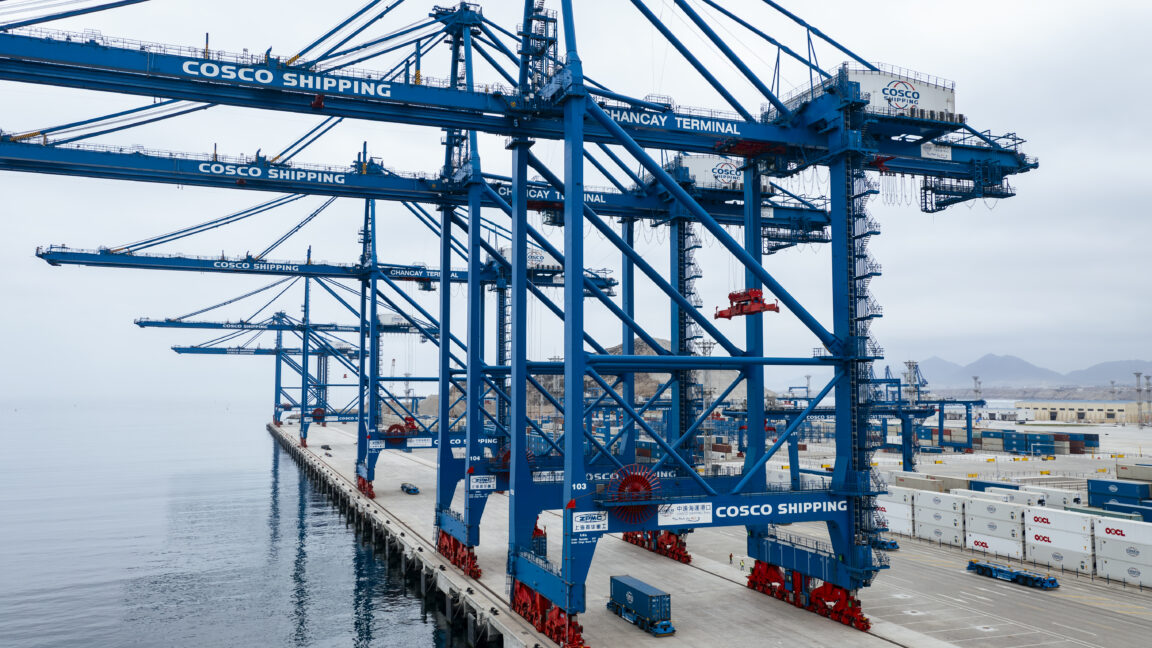
Every day now, trucks rumble by the port entrance, about 100 feet from her back door. She does not know exactly what they contain, nor has she or anyone else calculated the damage caused by their payload. All she knows is that soon there will be more of them.
Arce and many of its neighbors worry that the city’s troubles may get worse as the port expands into its second and third phases of construction over the next several years, and more roads and railways are built to serve it.
“There is no room for the people living here. We have to leave. Who are they going to throw out of their homes?” He said. “That’s the next fight.”
She is worried that the house where she has lived since childhood will continue to have cracks in its walls or that the foundation may collapse someday. Then someone joked that they should ask for compensation from the Chinese. Perhaps one of the newly delivered electric cars.
Arce smiled a sarcastic smile and looked out to sea, which was flat and calm that night. “Or a new house,” she said.
This article originally appeared on Inside Climate News, a nonprofit, nonpartisan news organization covering climate, energy and the environment. Sign up for their newsletter here.
<a href